
Tangible results in industry
Solutions like DNC Box, which eliminates USB stick use on CNC machines, are born from real problems on the shop floor. The device software, network communication and management panel are designed together.
Devices can be updated OTA (over the air), their status monitored from a web panel, and their data transferred to ERP or reporting systems.
Embedded and IoT projects running in the field
- DNC Box (Raspberry Pi Zero W): a device that appears to a CNC machine as a USB stick. Linux ConfigFS USB gadget mode; files are uploaded over Wi-Fi through a PHP and SQLite web panel and the machine reads them from its own USB port. DNC Box case study
- HS Detector: a mobile app that connects to a ground-search metal detector and shows the signal live. HS Detector
- PPE vending and kiosk: card-reader touch kiosk, slot-based product management and a central approval service. Brisa case study
- Camera-based people counting: YOLO detection on HikVision and Dahua IP cameras, with on-device counting where available. Visiqo case study
How I bridge hardware and software
The hard part of embedded work is usually the boundaries: memory, power, dropped connections and field maintenance. I first decide what the device does itself and what moves to the server. Time-critical sensing and control stay on the device (ESP32, STM32 or Raspberry Pi); storage, reporting and user interfaces move to web or mobile.
Serial, Bluetooth, Wi-Fi, MQTT or HTTP REST are chosen per project. When the link drops, data is buffered on the device and sent in order later. Remote updates and error logging are designed in from the start.
What drives time and cost
- Off-the-shelf modules or a custom PCB
- Battery or mains power and the power budget
- Connectivity: Bluetooth, Wi-Fi, cellular or wired
- Scope of the companion mobile app and web panel
- Certification and field testing
What I offer
Firmware
C/C++ and RTOS for ESP32 and STM32.
Linux devices
Raspberry Pi-based network devices.
Industrial
CNC DNC, Modbus and PLC communication.
Sensors & telemetry
Data collection, MQTT and alarms.
Remote management
Monitoring and configuration from a web panel.
OTA updates
Secure software updates for devices in the field.
Technologies I use
Official documentation and resources
Standards and official documentation I follow in projects:
Example projects
A selection of live projects serving real users.
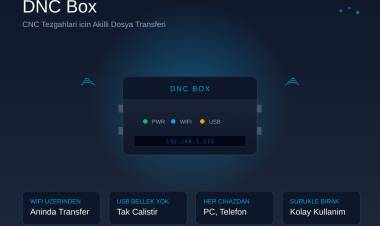
DNC Box — CNC WiFi File Transfer
Plugs into the CNC machine's USB port; G-code files reach the machine over the workshop WiFi in seconds.
View
Embedded Software & IoT Solutions
ESP32/STM32 firmware and industrial IoT.
ViewSmart Irrigation Systems
Automatic irrigation for municipalities, parks and farms.
ViewHow we work
Free intro call
We clarify needs, existing systems and goals together.
Quote & roadmap
Scope, technology, timeline and budget within 24 hours.
Staged development
Weekly demos and a live test environment.
Launch & support
Go-live, training and ongoing maintenance.
Free pre-analysisThe first meeting and roadmap are completely free, with no obligation.
Staged delivery and approvalYou review each module on a test environment before we move on.
Written scope and rightsScope, delivery and source code rights are defined in the contract.
Frequently asked questions
Which hardware do you work with?
ESP32, STM32, Raspberry Pi and industrial devices; hardware can also be selected based on project needs.
Do you support the path from prototype to mass production?
On the software side, support is provided through prototyping, field testing and production-ready firmware.
Can the devices work without internet?
Yes; they can be designed to run on a local network or fully offline.
Can device data be transferred to software?
Yes; it is sent to web panels, ERP and reporting systems via API or MQTT.
Which microcontrollers do you work with?
ESP32, STM32 and the Raspberry Pi family; the choice depends on power, cost and connectivity.
Do you also build the app and web panel for the device?
Yes. Firmware, mobile app and web panel come from one developer, so the protocol is designed consistently on both sides.
Can connectivity be added to an existing machine?
Often yes. As with the DNC Box, the machine's existing input can be used to add Wi-Fi without modifying the machine.